As live music continues its post-pandemic resurgence, concert ticket prices are climbing so fast that many fans are asking the same question: Is this just demand or is it starting to look like price gouging?
Major artists like Bruno Mars, Harry Styles and Ariana Grande have become flashpoints in that debate. Their shows still sell out in minutes, but the cost of getting in the door has jumped sharply, often putting “average fan” seats out of reach.
Styles’ “Love on Tour,” which wrapped in 2023, was praised for its production value and global reach. But many fans said they paid hundreds of dollars for standard seats, with resale prices climbing even higher.
And with Grande’s next tour, fans have reported prices surging well beyond the original face value, driven by high demand and limited availability.
Industry analysts point to multiple reasons ticket prices are rising. Inflation, higher production costs and increased labor expenses have made touring more expensive across the board. Large-scale concerts now rely on elaborate staging, advanced lighting and nonstop travel costs that stack up long before a single ticket is sold.
But the biggest source of anger isn’t just “tours cost more now.” It’s how tickets are priced.
Dynamic pricing models which adjust prices based on demand are increasingly common. Supporters say it reflects market realities. Critics argue it prioritizes profit over accessibility and makes fans feel like they’re being squeezed in real time.
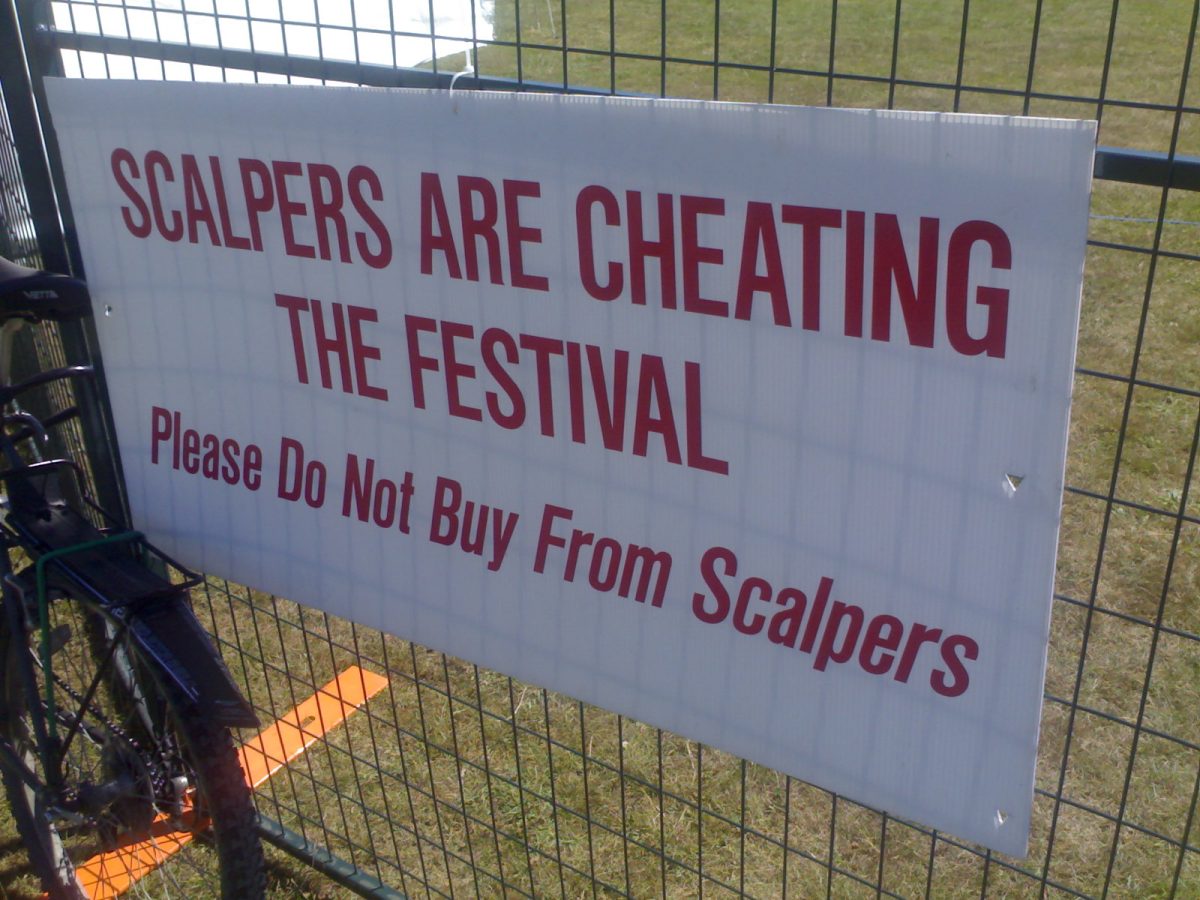
Resale markets make it worse. Tickets bought at face value are often flipped at steep markups on secondary platforms, leaving fans unsure who to blame: the artist, the promoter, the ticketing company or the resellers.
Fans have taken to social media to vent, with many saying they feel priced out of supporting artists they’ve followed for years. Others argue concerts once a communal cultural event are starting to feel like a luxury experience reserved for people who can afford the “right” seats at the “right” time.
Some artists have responded to the backlash. Olivia Dean, an upcoming British artist, has criticized dynamic pricing and said she dislikes it. Still, many fans say those statements and small fixes don’t touch a system driven by demand and profit.
Consumer advocates warn that without greater transparency, rising ticket prices will keep eroding trust between fans and the live music industry. Some have called for stronger regulation of ticketing platforms and resale markets to limit extreme markups.
Despite the criticism, demand shows no sign of slowing. Major tours continue to sell out, reinforcing pricing strategies built on scarcity and fan loyalty.
For many fans, the choice is getting brutally simple: pay the price or miss the experience especially as the world’s biggest pop stars return to the stage.