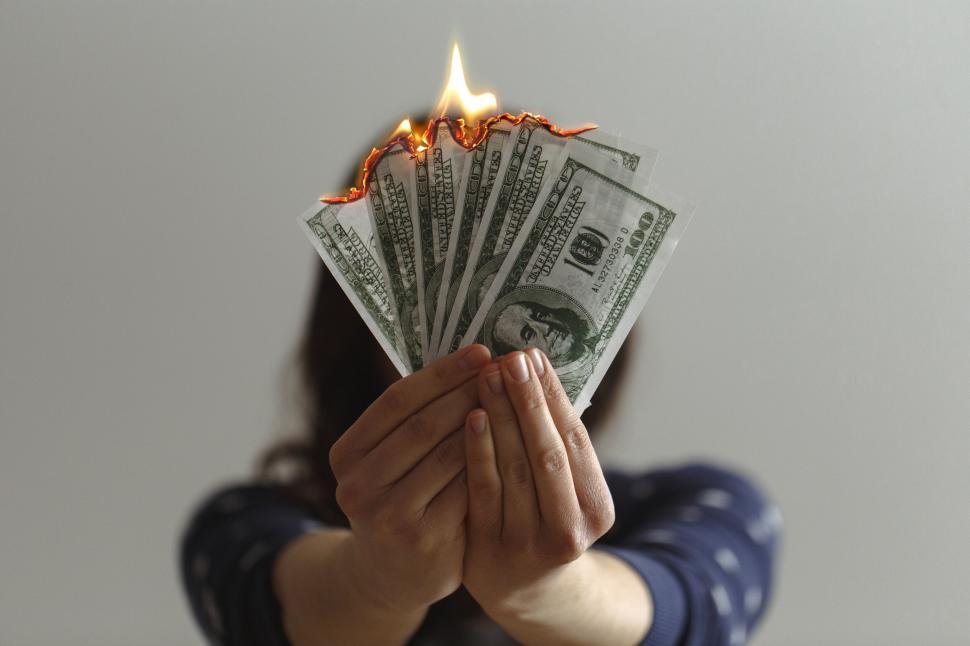
As the holidays begin to settle in, society is left with the disappointment of the economy being too expensive for the expectations during these times.
The spirit of giving is being faced with the continuous rise of high prices, having Americans rethink when, how and what they buy during the holiday season.
Reporter for CNBC Select, Jasmin Suknanan wrote, “On top of the usual stress related to snagging the perfect presents for loved ones, a recent rise in the cost of everyday items has many would-be shoppers rethinking their holiday spending strategies — and how much they can really afford to spend on gifts.”
Americans usually struggle with trying to find the perfect gifts for loved ones but also have to strain their budgets.
Compared to recent years, consumers are considering spending less on average for gifts.
Some families are even looking to cut back on overall spending to have money for the holiday season.
Worrying about costs overshadows the holiday joy, and looking to please everyone. The outside influence of finding the perfect gifts and hosting the perfect meal can fill one with regret and worry.
The focus of this season will shift from “holidays with the family” to “how will I pay for this?”
Inflation has not necessarily stopped spending, but it has forced consumers to take into consideration economic costs.
In recent years, the impact of inflation has made buying a holiday tradition for many households.
Inflation during the holiday season is expected to contribute to sales growth: paying more for the same amount of goods or even paying more for less.
Dealing with the high cost of living can make holiday budgets unsustainable for many.
The ongoing rise in consumer prices due to inflation is making a traditional holiday celebration financially prohibitive for many Americans.
Lower-income households have to be mindful of their spending, while higher-income households can spend more freely.
Many lower-income households have more necessities including SNAP benefits to worry about this holiday season amidst the government shutdown.
Inflation during the holiday season will have shoppers looking to maintain financial stability or maintain holiday traditions.
The National Retail Federation believes that holiday spending will top $1 trillion this year.
Major retailers have also set their holiday expectations from expecting the best to preparing for uncertainty.
Off-price retailers are said to be more successful than major retailers this holiday season.
Shoppers are waiting to shop during sale times, being cautious of their spending.
This holiday season is going to be filled with financial stress instead of excitement.
With the continuous financial anxiety American families face every day, President Donald Trump’s repeated claims of inflation being way down create a false narrative.
The president claims that inflation is very low, but shoppers’ wallets tell a different story.
Since the beginning of his new term, President Trump has promised something that consumers have yet to experience.
“Starting on day one, we will end inflation and make America affordable again, to bring down the prices of all goods,” Trump said at a rally in Montana.
His persistent insistence that the economic crisis is over brings no comfort to consumers who have not experienced any change.
Political statements on the country’s economic status do not reflect its economic data.
Many of President Trump’s economic promises were not things that could be completely promised and assured.
The Trump administration will take credit for any success in the inflation issue while blaming others for the higher costs.
With the impact of inflation on this holiday season, consumers will have to choose meaning over materialism when their budgets are suffering.