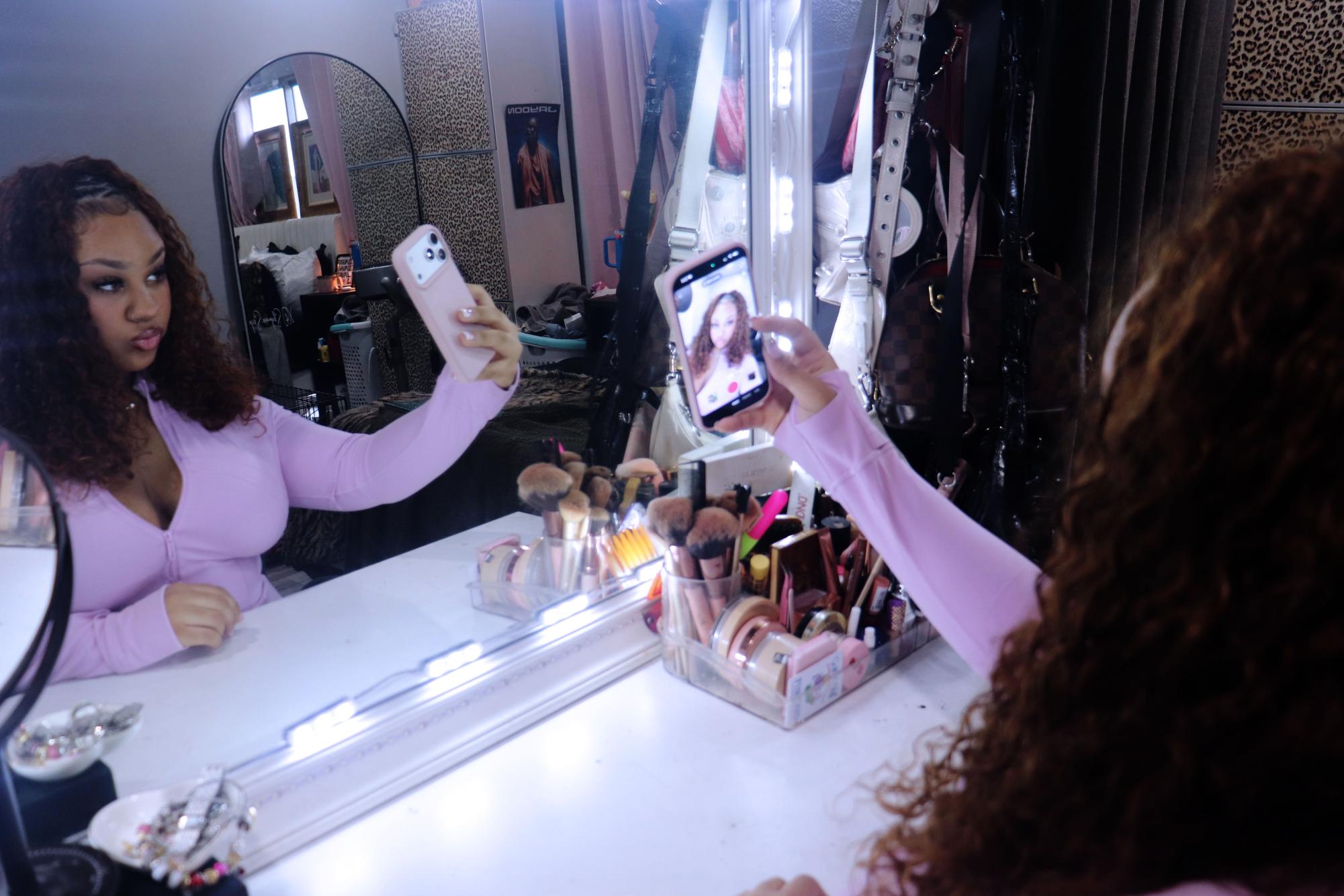
In dorm rooms, cars and late-night scrolling sessions, TikTok has become an unlikely tastemaker, transforming 15-second clips into chart-topping hits and unknown artists into household names. TikTok has transformed the discovery of music from gatekeepers to music saturation.
Interviews were conducted around Cerritos College to collect intel on Gen Z students’ thoughts on how TikTok has impacted music. The students voiced their discontent on the decline of the music industry as a whole and how it personally impacts the way we conduct ourselves socially by following trends instead of having a sense of originality.
Authenticity in music has gone down as people listen to what is popular on TikTok, and not necessarily because it is good simply because it is all over their page and are exposed to it daily.
Some creators that have risen from this platform are Addison Rae and Alex Warren. The question is whether or not these new artists deserve the fame and recognition.
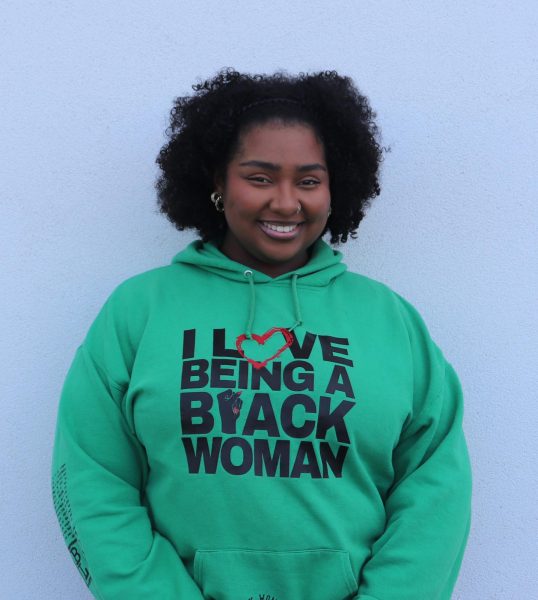
“I feel like a lot of popular songs now are because they have become TikTok sounds that have gone viral,” said Jasmin Sanchez, 23.
While Sanchez appreciates the exposure the platform gives artists, Sanchez expressed the pressure to like what is trending can feel forced. “I can’t really resent something that is a method of sharing music,” Sanchez said, “But I feel like some feel like they’re obligated to listen to certain music because it is popular.”
Critics have long argued that commercial success often comes at the expense of artistic integrity, a debate that predates social media by decades.
As radio once dictated hits and MTV later shaped image driven stardom, each era introduced new anxieties about what it meant to be “real”in pop.
Now, in the age of streaming and algorithm driven discovery, music is more accessible than ever, reaching global audiences within seconds of release.
That accessibility has lowered barriers for emerging artists while also intensifying competition, accelerating trend cycles and reshaping how authenticity is
As a society we have moved on from trends a lot faster as we are exposed to a lot of new artists, music and all the other means of entertainment that we try to keep up with in order to be up to date.
“One of the biggest things with TikTok is the oversaturation of some music,” David Bonilla, 18, Cerritos College student, said. When a song trends, Bonilla added, it can quickly become exhausting as users repeatedly attach it to videos for views.
He pointed to built-in streaming features that allow users to transfer viral songs directly into curated playlists. Still, Bonilla expressed concern about oversaturation.
This issue has even reshaped the 2026 Grammys as it elevated artists’ viral songs, making high top contenders. For example, in the category new best artist Olivia Dean, Katseye, The Marias, Addison Rae, Sombr, Leon Thomas, Alex Warren and Lola Young ‘s popularity increased through TikTok and were dominated because of the traction gained on the app.
The debate over whether TikTok has “ruined” music remains split.
Music has changed not only the way that it is found but also valued and promoted. Pop singers and other artists do not stay relevant for too long, it feels as if they lack substance.
Now, artists are developed and signed to major labels due to their popularity on TikTok and for that one viral moment making them lack depth and personality music artists once possessed. Artists thrive for virality instead of originality.
Others argue the platform expands opportunity rather than limits it. One student credited TikTok with introducing him to Malcolm Todd, while another said trending sounds featuring Nicki Minaj remain favorites.
“It gave people more space to explore music and feel free to share their music,” Cathy Brown, 19 Cerritos College student said. “If the song is good, then I don’t think anyone can ruin it,” said Brown.
Industry analysts note that record labels now strategically craft “hookable” song segments designed for looping videos. Artists tease unreleased tracks to test viral potential.
In some cases, chart success follows digital momentum rather than radio play.
Yet, the fleeting nature of trends raises questions about longevity. As quickly as a sound dominates feeds, it can disappear.
For this generation of listeners, TikTok is both amplifier and filter, a democratizing force that can elevate unknown voices while compressing fame into viral bursts.
Whether that reshaping ultimately strengthens or dilutes popular music may depend less on the algorithm and more on how audiences choose to listen once the scrolling stops.