

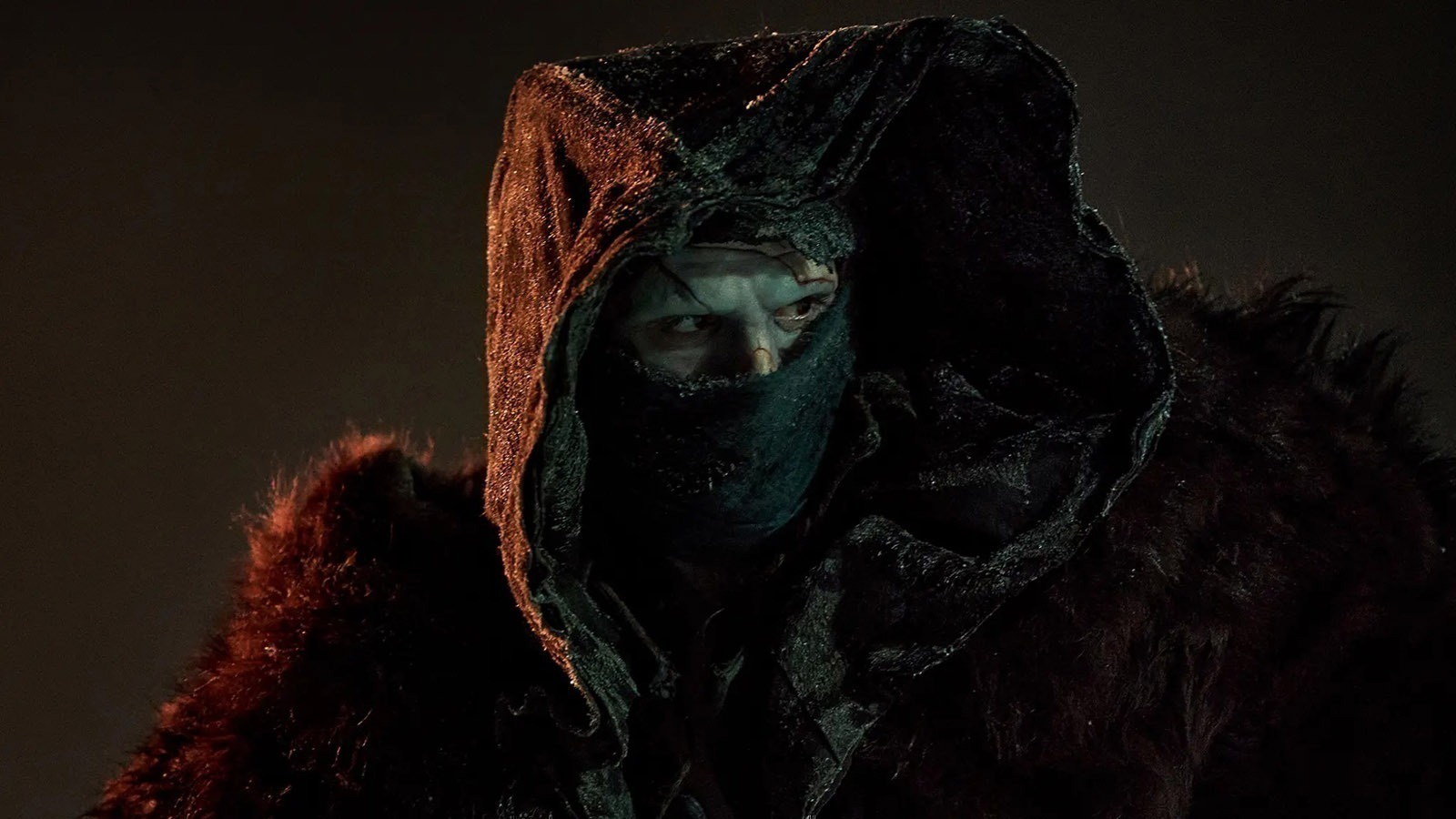
The 2025 film adaptation of “Frankenstein” swept several awards, but does it capture the true essence of Mary Shelly’s 1818 gothic novel? There were various changes throughout the film that were praised by many viewers, but others deemed it to have been unnecessary.
First and foremost, Guillermo del Toro producing “Frankenstein” had a thrilling effect on the public. Known for being the master of horror, fantasy and goth, if anyone had the ability to bring a transcendent book onto a screen, it would be him.
He read “Frankenstein” at the age of 11, finding a deeper connection with the book itself than the film released in 1931 by James Whale.
There are multiple adaptions of “Frankenstein,” the monster meant to induce fear. Guillermo del Toro’s adaptation however, captures the essence of the book and delivers a captivating storyline sparking emotion from the audience.
One of the changes viewers appreciated was giving Elizabeth’s character a sense of agency and ownership over herself.
In the novel, Elizabeth grew up with Victor’s family. She calls Victor her cousin and was prepared to marry him from a young age.To Victor, Elizabeth is seen something he owns rather than an independent person.
In the 2025 film adaption, Elizabeth is not related to Victor’s family at all. She is engaged to Victor’s brother Henry and her character channels nurture.
Elizabeth’s character acts as a foil to Victor’s, starting with her fascination for insects and her interactions with the creatures. She treats every living creature with kindness as that is, in her view, the purest form of humanity
Meanwhile, Victor is less emphatic and is destructive rather than caring. What Victor truly wanted was to cheat death, not create life.
Guillermo del Toro also creates this deep relationship between the creature and Elizabeth, something that does occur in the novel. Both Elizabeth and the creature represent humanity and how they remain gentle regardless of the hurt they experience.
Another sentiment some viewers express is that it was not completely necessary to change the dynamic between Victor and his father.
In the film, Victor’s dad is portrayed to be a cruel man, but in the novel, Victor has a happy childhood. His father’s death is what drives him to make the creature and challenge death.
Guillermo del Toro used this change in character to assimilate the relationship between Victor and his father to the one with the creature.
The timeline between the novel and the film was also something that was changed by Guillermo. The novel is set in the 1700s while the film is set in the late 1800s during the Victorian era.
In the novel, Victor isn’t very open about his scientific experiment, which is the opposite to how he behaves about his experiment in the film.
Since the film is set in the Victorian era, a time when the use electricity and inventions peaked, Victor was more comfortable with people knowing about his work on bringing life to the dead.
Both the novel and the film are unique and equally pleasing to the audience. While the novel is more open for interpretation and covers more themes, the film is more straightforward and focuses on a singular theme which is humanity.


